A Greener, Safer Approach to Decontamination
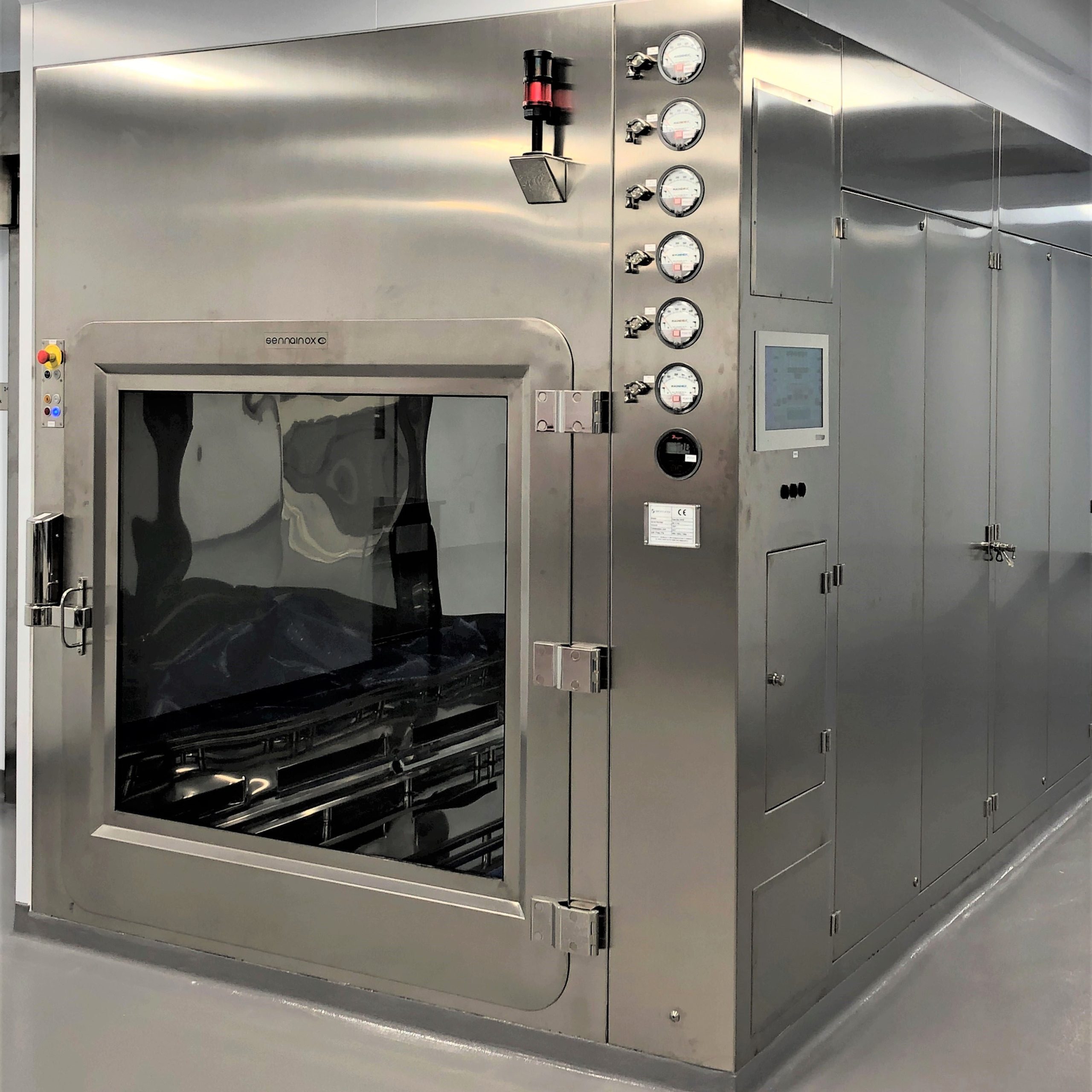
We’re excited to announce that CG Labs will be adding Vaporized Hydrogen Peroxide (VHP) sterilization capability to our service offerings in the coming months. This cutting-edge technology represents a significant advancement in our decontamination capabilities and aligns with our commitment to safer, more environmentally responsible practices.
What is Vaporized Hydrogen Peroxide (VHP)?
VHP is an advanced sterilization method that uses hydrogen peroxide in a gaseous state to eliminate microorganisms including bacteria, viruses, fungi, and spores. The process works by releasing hydrogen peroxide vapor into a sealed chamber where it penetrates all exposed surfaces, effectively destroying pathogens by oxidizing their cellular components.
Unlike traditional methods, VHP breaks down into just water and oxygen after use, leaving no harmful residues or byproducts—making it one of the most environmentally friendly sterilization options available today.
Why VHP is Superior to Ethylene Oxide
For decades, ethylene oxide (EtO) has been the industry standard for sterilizing temperature-sensitive medical devices and equipment. However, EtO comes with significant drawbacks that VHP effectively addresses:
Safety Advantages
- Non-carcinogenic: Unlike EtO, which is classified as a known carcinogen, VHP poses no cancer risk to workers or surrounding communities
- No toxic residues: VHP decomposes into water and oxygen, eliminating concerns about harmful residual chemicals
- Reduced workplace hazards: No need for the extensive safety protocols required for handling EtO
Environmental Benefits
- Zero harmful emissions: No contribution to air pollution or environmental contamination
- Lower carbon footprint: VHP processes operate at lower temperatures and require shorter cycle times
- No special disposal requirements: Eliminates the need for complex abatement systems
Operational Improvements
- Faster cycle times: Complete sterilization in hours rather than days (typical EtO cycles can exceed 14 hours)
- No aeration period: Items sterilized with VHP can be used immediately, unlike EtO which requires extensive aeration
- Smaller footprint: VHP systems require less space and infrastructure than EtO chambers
FDA Recognition
In January 2024, the FDA officially recognized VHP as an Established Category A sterilization method, placing it alongside traditional methods like moist heat, dry heat, and radiation. This designation followed the publication of ISO 22441:2022, which established requirements for the validation and control of VHP sterilization processes.
This regulatory recognition means VHP is now fully accepted for medical device sterilization, opening the door for broader adoption across the healthcare and life sciences industries.
Applications at CG Labs
Our new VHP capability will enable us to offer enhanced decontamination services for:
- Medical devices and equipment
- Laboratory instruments
- Clean room environments
- Production facilities
- Research materials
The technology is particularly valuable for heat-sensitive items that cannot withstand traditional steam sterilization methods.
Implementation Timeline
We expect our VHP system to be fully operational by May 2026. During the implementation phase, our team is undergoing comprehensive training to ensure the highest standards of safety and efficacy.
Looking Forward
The addition of VHP technology represents CG Labs’ ongoing commitment to innovation, safety, and environmental responsibility. By adopting this greener alternative to ethylene oxide, we’re not only enhancing our service capabilities but also contributing to a safer workplace and a healthier planet.
Stay tuned for updates as we approach the launch of this exciting new service. If you have questions about VHP sterilization or would like to discuss how this technology might benefit your specific applications, please contact our technical team.